
Blended families are increasingly common in Australia. They generally include half-siblings, stepchildren, and parents who may have remarried. An important consideration in estate planning for blended families is how to distribute assets fairly while protecting the interests of all family members, including stepchildren.
Without a well-drafted Will, unintended consequences may arise, such as creating conflict amongst surviving family members, or excluding step-children.
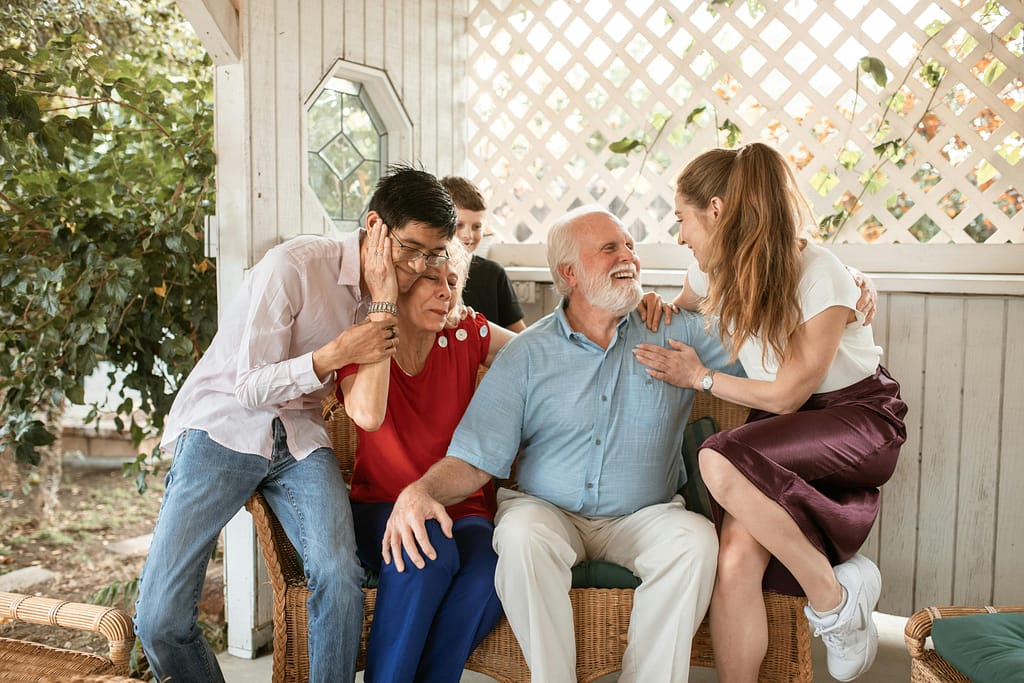
What Is a blended family?
A blended family consists of a couple where one or both partners have children from previous relationships. Step-children in such families may have legal relationships with their biological parents but not necessarily with their step-parents.
Why is estate planning crucial for a blended family?
Due to the legal considerations and the number of relationships involved, estate planning for blended families can be more complex than for traditional families. Some issues are:
- Ensuring that step-children and biological children are treated fairly and in accordance with your wishes;
- Protecting the interests of a surviving spouse whilst still leaving something for your biological children;
- Balancing the needs of your current spouse with the needs of your children from previous relationships; and
- Avoiding potential disputes over the division of assets.
Stepchildren and inheritance
In a blended family, step-children may not have the same automatic inheritance rights as adopted or biological children. Step-children are not always treated equally under the law without explicit provisions in the Will. Without a well-thought-out an estate plan and Will, the distribution of your estate may not reflect your true intentions: step-children may be inadvertently deprived of their inheritance and family rifts could arise.
Key considerations when drafting a Will
- Explicitly name all beneficiaries: Ensure that all beneficiaries, including biological children and step-children, are clearly named in your Will and be specific about what each person will inherit.
- Clearly communicate your wishes: Ensure that everyone understands your wishes and how the estate will be divided. Open and honest communication with your spouse, children, and step-children about your estate planning can help to avoid disputes later.
- Consider creating a Life Interest or a Right to Reside clause in your Will: this allows your spouse to live in the home for their lifetime, after which it is passed to your children.
- Review your superannuation death beneficiary nominations. Superannuation is not automatically included in your Will: make a binding nomination with your super fund to ensure that your superannuation is distributed as you wish.
- Use Testamentary Trusts: They allow you to leave your spouse assets while ensuring that the remaining estate eventually passes to your step-children and children according to your instructions.
How do I avoid disputes in a blended family?
Disputes over inheritance can be common in blended families when stepchildren feel they have been unfairly treated. To reduce the risk of conflict, consider doing the following:
- Create a Will Early: The sooner you draft a Will that reflects your current family structure, the better. This prevents legal complications and ensures your wishes are honoured.
- Review and update your Will regularly. Review and update your Will after major life events.
- Seek legal advice: A lawyer can advise you on structuring your Will to prevent disputes and ensure fairness.
Takeaways
Estate planning for blended families requires a careful balance between protecting your spouse and providing for your children and step-children. Creating a comprehensive Will and considering trusts and other legal tools ensures that your assets are distributed according to your wishes, avoiding potential disputes and securing your family’s future.

Here to Help
Contact us now for free no-obligation telephone advice if you’re in a blended family and want to secure your step-children’s future.